
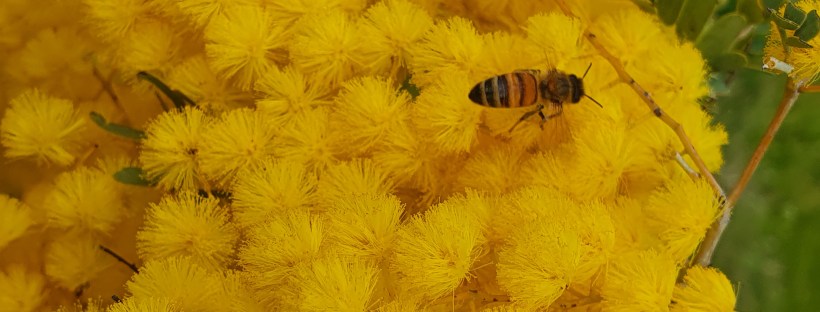
Central West Lachlan Landcare are hosting the Acacia Adventures bus trip to Grenfell on Sunday, 20 August.
The Acacia Adventures bus trip will provide an opportunity for participants to wander through wattles and explore endemics. It is a perfect time to be exploring a stunning array of wattles in their peak growing season and listen and learn from an experienced plant enthusiast.
Venture on a curated and labled garden planted with endemics and learn the names for plants you may discover while walking in the bush. This is an opportunity to connect with like-minded people, share ideas and thoughts and learn from others.
Hear from Mikla Lewis who will be hosting the group at Rosemont, the property that she owns and operates with here partner Wayne Lavers. The property covers 104 acres, with approximately 60 hectares under a Voluntary Conservation Agreement (VCA) which gives permanent protection to natural habitat.
Over 165 native plant species have been identified, with nearly 100 bird species in addition to mammals, reptiles and butterflies.
The bus will also be travelling to O’Brien’s reserve, the site where Cornelius O’Brien first discovered gold in Grenfell. There are views the Weddin Mountains and this will be a perfect spot for a walk and break prior to heading home.
The bus leaves from Parkes at 7.45am, Forbes at 8.30am and returns from Grenfell to Forbes at 4.20pm and Parkes at 5.00pm. The cost of $30 includes bus transport, speaker, morning tea and lunch. Participants are encouraged to bring a hat, water, travel mug and any other necessities for a day out.
In the lead up to Wattle Day on 1 September, this bus trip is an opportunity to gain a deeper appreciation for a fabulous wattles.
A few wattle facts:
The Golden Wattle is Australia’s floral emblem, found on our Coat of Arms and Honours System, and they are seen in Australia’s colours of green and gold.
Wattles are classified as legumes, meaning they can take nitrogen from the atmosphere and transfer it to the soil, acting as a natural fertiliser in the process.
Indigenous uses for wattle include using the wood, pollen and sap from trees for food, medicine, weapons, tools, instruments, glues, dyes, perfumes and ceremonial decoration.
To register, please click this link on our social media or contact Maree on 0427 963 048.
For further information on this article, please go to www.centralwestlachlanlandcare.org, Twitter, Facebook or Instagram @cwllandcare
 Central West Lachlan Landcare Inc